
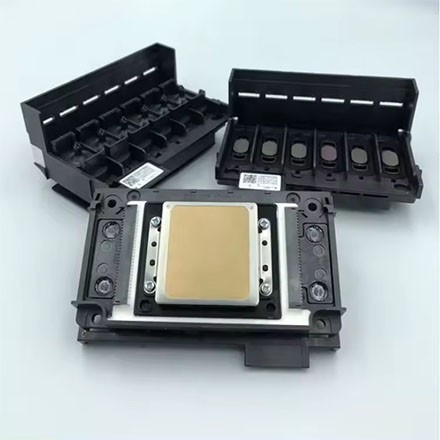
The pricing of the XP600 printhead is a frequent topic of discussion among digital printing business owners, equipment manufacturers, and procurement managers. As a highly popular component in the entry-level and mid-tier printing market, the XP600 head price is influenced by a complex interplay of supply chain factors, technological positioning, and total operational costs. Understanding these dynamics is essential for making informed purchasing decisions that balance upfront investment with long-term profitability.
Market Positioning and Entry-Level Affordability
The primary driver behind the competitive XP600 head price is its strategic market positioning. Designed as an economical alternative to high-end industrial printheads, it offers a low barrier to entry for startups and small-to-medium enterprises. The affordability of this printhead allows equipment manufacturers to produce cost-effective UV, eco-solvent, and DTF (Direct-to-Film) printers. This accessible price point democratizes digital printing technology, enabling businesses to launch customized printing services without requiring massive capital expenditure.
Supply Chain Factors and Product Sourcing
The current market price of the XP600 printhead is also heavily dictated by sourcing channels and product conditions. Because the original manufacturing of this specific printhead model has ceased, the market is currently sustained by existing inventories and refurbished units. Consequently, price fluctuations are common and depend on the availability of new old stock versus rebuilt units. Buyers must navigate this landscape carefully, as lower-priced units may vary significantly in quality, testing standards, and expected lifespan, directly impacting the overall value proposition.
Lifespan Considerations and Total Cost of Ownership
When evaluating the XP600 head price, industry professionals must look beyond the initial purchase tag and consider the total cost of ownership. While significantly cheaper than industrial-grade printheads, the XP600 typically has a shorter operational lifespan, often ranging from three to six months under heavy commercial use. Therefore, the true cost of operation includes the recurring expense of printhead replacements and the potential production downtime associated with maintenance. Businesses must calculate this lifecycle cost to determine if the low upfront price aligns with their long-term production volume and profit margins.
Balancing Initial Investment with Print Quality
Despite its economical price, the XP600 printhead continues to command market share because it delivers a reliable balance of cost and performance. It provides sufficient resolution and color saturation for a wide array of applications, including apparel transfers, promotional signage, and personalized gifts. For businesses where profit margins are tight and print volumes are moderate, the accessible XP600 head price remains a highly attractive proposition. Ultimately, the decision to invest in this printhead should be based on a comprehensive assessment of specific production needs, expected maintenance schedules, and target market demands.
Contact:Jason
Phone:+86 13764703359
E-mail:jason86ni@gmail.com
Add:No. 80, Building 10, Jiangdong Street, Yiwu City, Zhejiang Province

 Español
 русский
 Português
 Deutsch