
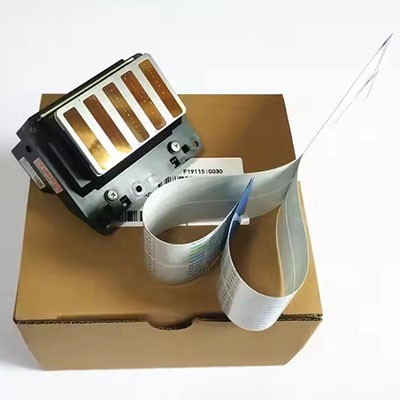
In the demanding realm of professional wide-format printing, the Epson 7890 print head stands as a critical engine for commercial production. Designed to handle the rigorous demands of large-format graphics, this specialized component is renowned for its ability to deliver exceptional color fidelity and high-speed throughput. However, maintaining the peak performance of such a precision instrument requires a deep understanding of its operational mechanics, rigorous maintenance protocols, and proactive lifecycle management.
Advanced Piezoelectric Architecture and Fluid Dynamics
The Epson 7890 print head operates on highly sophisticated Micro Piezo technology. Unlike thermal printheads that rely on heat to expel ink, this system uses precise electrical charges to flex piezoelectric elements, mechanically forcing ink droplets out of the nozzles. This cold-printing process allows for exceptional control over droplet size and placement, supporting variable dot technology that ensures smooth gradients and vibrant solid colors. The internal fluid dynamics of the head are engineered to handle a wide spectrum of professional pigment and dye-based inks, ensuring consistent flow even during continuous, high-volume production runs.
Proactive Maintenance and Nozzle Management
Given the microscopic scale of its nozzles, the Epson 7890 print head is highly susceptible to ink sedimentation and environmental drying. Sustaining its performance requires a proactive maintenance strategy. Operators must regularly utilize automated nozzle check patterns to identify missing dots or deflected streams before they compromise a print job. Routine cleaning cycles are essential to flush out dried ink and prevent clogging. For severe blockages, particularly after prolonged periods of inactivity, advanced power cleaning protocols may be required to restore full fluid dynamics. Furthermore, ensuring the print head is properly capped when not in use is a critical step in preventing irreversible nozzle damage.
Precision Alignment and Calibration
As the print head undergoes thermal cycling and mechanical movement over time, microscopic shifts in alignment can occur, leading to banding, ghosting, or a grainy appearance in the final output. To maintain gallery-grade image quality, periodic head alignment is mandatory. Modern workflows utilize automated calibration routines that print and analyze specialized test patterns. These routines adjust the timing and positioning of the piezoelectric elements, ensuring that overlapping passes integrate seamlessly and that multi-directional printing remains perfectly registered.
Strategic Lifecycle Management and Replacement
Despite meticulous care, the Epson 7890 print head is a consumable component with a finite operational lifespan. The piezoelectric elements eventually experience fatigue, and internal ink channels can suffer from irreversible degradation. Recognizing the signs of end-of-life performance such as persistent nozzle failures that resist intensive cleaning, or a sudden drop in ink density is crucial for production planning. By integrating regular performance assessments into their workflow, print service providers can strategically schedule head replacements during planned downtime, avoiding costly emergency repairs and ensuring uninterrupted commercial output.
Contact:Jason
Phone:+86 13764703359
E-mail:jason86ni@gmail.com
Add:No. 80, Building 10, Jiangdong Street, Yiwu City, Zhejiang Province

 Español
 русский
 Português
 Deutsch